TRIP TYPE
Midrange – Luxury Safari
DESTINATION
Entebbe | Kibale Forest |Queen Elizabeth & Ishasha | Bwindi Forest | Jinja on The Nile
DURATION
12 Days & 11 Nights
12 Days Wildlife, Primates & The Nile – Set Departure
Uganda is a land of contrasts, still virgin & lush green famously known for its undulating and extra ordinarily experiences. Proudly being the Primate capital of the world and unending Savannah plains with vibrant wildlife to spectate & marvel. Uganda is home to human closest relatives, the endangered mountain Gorillas and the chimpanzees silently living in peace and in one of Africa’s oldest rain forests. On This 12 Days Wildlife, Primates and The Nile Uganda safari will take you through the vast savannah & wildlife scenic treasures – Uganda’s pride and get you up-close and personal with a mountain Gorilla, Chimpanzees doubled with spectacular Wildlife encounters, beautiful nature walks, Visit Local Schools and pack for a purpose visits, leaving an Impact while slumbering in some of Uganda’s Top-notch_ fine Lodges.
Guaranteed Set Departures
Overview
Itinerary
Dates & Prices
Pre-Departure Info
Overview
Trip Overview
Safari Starts: Entebbe _ Murchison Falls National Park
Safari Ends: Jinja _ Entebbe
Destinations: Entebbe | Murchison falls | Kibale Forest | Queen Elizabeth & Ishasha | Bwindi Forest | Jinja on Th Nile
What To Expect & Impressions: Murchison Falls | Chimpanzees | Kazinga Channel Safari | Tree Climbing Lions | Beautiful nature Walks | Bush Breakfasts & Sundowners | Mountain Gorillas | The River Nile expeditions | Authentic Local Experiences | Responsible Travel | Top-Notch Beautiful Lodges.
Day-to-Day Itinerary
Day 1: Arrival & Transfer To Hotel.
Overnight: Papyrus Guest House Hotel. Bed & Breakfast
Day 2: Flight Transfer to Murchison falls National Park – Uganda.
Overnight: Twiga Safari Lodge
Day 3: Game Drive & River Nile Launch Cruise
Overnight: Twiga safari Lodge
Day 4: Road Transfer To Kibale National Park
Overnight: Turacco Tree Tops. Breakfast Lunch & Dinner
Day 5: Morning Chimpanzee Trekking & Afternoon Bigodi Swamp Walk
Overnight: Turacco Tree Tops. Breakfast Lunch & Dinner
Day 6: Transfer to Queen Elizabeth National Park – Afternoon Kazinga Channel
Overnight: katara Lodge. Breakfast Lunch & Dinner
Day 7: Transfer To Ishasha Sector Q.E.N.P
Overnight: Ishasha wilderness Camp. Breakfast, Lunch & Dinner
Day 8: Transfer To Bwindi with A Nature Walking Safari.
Overnight at Four Gorillas Lodge. Breakfast, Lunch & Dinner
Day 9: Ultimate Gorilla Trekking Experience
Overnight at Four Gorillas Lodge. Breakfast, Lunch & Dinner
Day 10: Morning Flight Transfer To Entebbe – Connecting To Jinja on The Nile
Overnight: Lemala Wildwaters Lodge
Day 11: Unwinding off Safari memories at the Island & Jinja
Overnight: Lemala Wildwaters Lodge.
Day 12: Transfer To Entebbe For International Connecting Flight.
Itinerary
Day 1 Arrival & Transfer To Hotel. Meet & greet with Our Representative and transfer to hotel for overnight stay. In the afternoon – Visit the mabamba swamp on a motor Boat and Dugout Canoe for the Shoebill Stock viewing.
Overnight: Papyrus Guest House Bed & Breakfast
Day 2: Flight Transfer to Murchison falls National Park – Uganda.
Enjoy a Relaxed Morning Breakfast and Transfer To Entebbe airport for a domestic flight to North west Murchison Falls National Park. Meet with your Guide and enjoy a welcome and an enroute Game drive to the Lodge. Cross over to the southern Bank of the River Nile over to your lodge overlooking the Silently flowing Nile beneath. Have a hot lunch and proceed to the Top Of The Falls to witness how a 50m wide river is reduced to a 6m Gorge gap and falling 45m down creating one of the biggest and strongest Waterfall in the world. Enjoy a sun-downer set overlooking the Nile with sounds of the Nile banging into the gorge. The sunsets here are Phenomenal. Return to Lodge for Dinner.
Overnight: Twiga Safari Lodge
Day 3: Game Drive & River Nile Launch Cruise
Make use of the Morning sunrise as you watch wildlife come-out of their hiding in search for pasture. Follow footprints of Lions, Leopards that roamed the tracks in search for a prey and trail it to the end. Watch Lions trying to find shed in the thickets as curious Giraffes, Antelopes and Buffalos tow their necks looking closely at the predators not to loose sight of them – More less a hide and seek game or be lucky and witness a leopard prey on an Oribi or Kob or A lion stealthily prey on a warthog. Later take on to the jetty and embark on an exclusive Nile boat Cruise. Watch elephants, Buffalos, Giraffes, Huge schools of hippos, Nile Crocodiles and Pied kingfishers take their catch from the silent flowing Nile River. Watch from the river bottom as water falls off the cliff and between rocks creating one of the best sought sights in Uganda – It’s a magical encounter. Return to Starting point and transfer to Lodge to unwind your day memories.
Overnight: Twiga safari lodge
Day 4: Road Transfer To Kibale National Park – Kasese Airstrip – Western Uganda.
Relaxed Morning breakfast and transfer to Kibale National Park. Through Local Villages and past jaw Dropping scenery, make stops and Drive to the outscarts of Kibale National Park at the beautiful Turaco Overlooking the forest or Ndali Lodge overlooking the crater. Watch the countryside with huge chunks of tea Plantations and villages unfold with the local life and great scenery. Arrive in time for Lunch and In the afternoon, Visit a Local School around Bigodi, Ndali or Kyaninga area Villages, spend rest of day at leisure. If You packed for a purpose, You can opt to carry a few of your items for donating to the kids at little schools while you will make a difference.
-/+ 6 hours drive To The Lodge
Overnight: Turaco Tree Tops. Breakfast Lunch & Dinner
Day 5: Morning Chimpanzee Trekking & Morning Bigodi Swamp Walk
Start the day Embarking again on a Chimpanzee trekking experience in kibale National Park with a ranger guide looking out for nests, chimpanzee callings till you find them and have an ultimate encounter with humans Closest Relatives. Have a more interactive conversation with the ranger guide about Chimpanzees and their habitant. In The Afternoon, Embark on a guided Swamp walk in the Bigodi wetland in search for more Primates including the Red tailed Monkeys, Olive baboons, Colobus monkeys, sitatunga antelopes and much more. Retire at Lodge on a Campfire
Overnight: Turacco Tree Tops. Breakfast Lunch & Dinner
Day 6: Transfer to Queen Elizabeth National Park – Afternoon Kazinga Channel
Transfer to Queen Elizabeth National Park south of Kibale National Park. Arrival at Lodge – Check in – and take on a Private afternoon Boat cruise on the famous wildlife populated Kazinga channel. A 4okms length water channel filled with lots of wildlife like Hippos, Buffalos, Elephants quenching their thirst, Crocodiles, Antelopes, Chances for lions and leopards, bird species and much more including fishing villages along the water Channel.
Overnight: Katara Lodge. Breakfast Lunch & Dinner
Day 7: Transfer To Ishasha Sector Q.E.N.P
Set out for a short game drive in the Kasenyi sector in search for the Cats. Chances are you will encounter baffalos, Lions, leopards, Antelopes, Warthogs and much more wildlife. Transfer to Ishasha Sector South Of Queen Elizabeth National Park. Watch wildlife in the ishasha Wilderness and lookout for the tree Climbing lions Lazily hitching on the fig trees. Come At peace with the wilderness on a sundowner gamedrive at the ishasha Escarpment and lookout for Hyenas stealthily comeout of their dens as you sip on a glass of wine with the sun setting below the savannah horizons.
Overnight: Ishasha Wilderness Camp. Breakfast, Lunch & Dinner
Day 8: Transfer To Bwindi with A Walking Safari.
Transfer to the south Of Bwindi impenetrable National Park with a nature walk through the Bwindi. The 3 or 6 hours beautiful and rewarding nature walk through the Bwindi Forest is phenomenal and will lead you to Nteko Ridge on the southern sector Of Bwindi. Local Ranger guides will take you on and share more about the Forest. Lots of Forest Birds, Monkeys and nature Life to see and never know chances to meet a Gorilla Long the trailheads. Proceed to Lodge later for a cozy evening and Campfire.
3.5 hours walk & 40mins drive
Overnight at Four Gorillas Lodge. Breakfast, Lunch & Dinner
Day 9: Ultimate Gorilla Trekking Experience
Today morning embark on a Gorilla Trekking Experience in Bwindi Forest. Be briefed at the starting point, ascend and descend into the forest of Bwindi with a ranger guide and porter in search for the Great Giants of Bwindi. Enjoy an hour with them and return to unwind on a great day with a camp fire at the lodge. There is absolutely no mistaking the bond that exists between man and a mountain Gorilla when you get upclose and personal with the gentle giants while the feeling of finding the gentle giants camouflaged in the vegetation is an inspiring and privilege lifetime experience that would stay with you for the rest of your life.
Opt to Travel with a Purpose and carry along some scholastic materials like pencils, pens, Books or playballs or more for the kids and watch how innocent Smiles brighten a day. You might want to enjoy local traditional songs and dances with the Locals and support their handcrafts this evening – Worry not, our representative will take on the brief for the day.
Overnight at Four Gorillas Lodge. Breakfast, Lunch & Dinner
Day 10: Morning Flight Transfer To Entebbe – Connecting To Jinja on The Nile
Transfer to Kisoro Airstrip For a Connecting domestic flight Back to Entebbe. Arrival in Entebbe and Be transferred to Jinja By Road at The heart of The Longest River In The world. Enjoy The rest of the evening unwinding off at the beautiful Lemala Lodge situated on one of the islands on the river. – It’s a magical setting with The Lodge enveloped with the River Nile flowing both Ways.
Overnight: Lemala Wildwaters Lodge
2hours Flight and 2 hour drive
Day 11: Full day At the Island – Lemala Wildwater Lodge.
Enjoy a very relaxed day at the beautiful Lemala Wild waters Lodge in Jinja. opt to catch up on a Book you have not read in a while or unwind off your beautiful safari memories. Options around Lemala are White water Rafting, Horseback riding, Quad biking, Cycling and jinja sightseeing as optional Activities.
Overnight: Lemala Wildwaters Lodge
Day 12: Transfer To Entebbe for International Connecting Flight.
Transfer to Entebbe by road and with our Representative in our safari jeep. Leave Jinja depending on your Flight schedule this day. With Time, You shall arrive in Entebbe for lunch, Visit some craft village market for souvenirs if you want, have a debriefing and transfer to airport for a connecting flight.
End Of Safari…
Dates & Prices
The Dates provided are the start and end of the Land scheduled set Departure safari in Uganda. If you prefer booking your own inbound and outbound flight, Kindly book arriving a day earlier of the selected set departure date.
If you would like us to provide a quotation for both Land Safari and Return Air ticket from your home country, Kindly get in touch and one of our travel consultants will provide you with the best rate on the market today.
A deposit of only USD 1050 per person is required to secure a spot on the trip.
Single Supplement USD 985 Per Person
SCHEDULED DEPARTURES DATES LAND ONLY Per Person Trip Update
9th – 20th February 2026 USD 7148 Inquire Now
5th – 16th June 2026 USD 7148 inquire Now
24th June – 5th July 2026 USD 7148 Inquire Now 3 Booked
14th – 25th August 2026 USD 7148 Inquire Now
Included in The Price Quotations.
- Small group of Minimum 2 Persons and maximum 12 Persons Guaranteed departures
- Transfer in 4×4 Safari land cruisers
- Services of English-speaking driver-guide throughout
- All Park Entry Fees & Taxes
- 1 Gorilla Permit per person ( USD 800)
- 1 Chimpanzee person per person ( USD 250)
- Air & land package from major International Airports of Country on request. We have Patterned with Nancy Dorrans from Adventure Market Place from The USA if you would like to have both Airfare or Travel insurance handled for you. Request for a Quotation here
- Domestic Flights included: Entebbe to Murchison falls and Bwindi To Entebbe Kasese Airstrip
- Full Board Accommodations 11 Nights
- 1 Night Viavia Entebbe
- 2 Nights Twiga Safari Lodge
- 2 Nights Turaco Tree Tops – Kibale National Park
- 1 Night Katara Lodge – Kasenyi Sector Queen Elizabeth National Park
- 1 Night Ishasha Wilderness Camp – Ishasha Sector Queen Elizabeth National Park
- 2 Nights Four Gorillas Lodge
- 2N Lemala Wildwaters Lodge – Jinja
- Airport Pickup & Drop Off
- Personalized Bottled Water on safari
- Planned Sundowners
- AMREF (Medical evacuation) Insurance
- Entebbe to Pakuba Airstrip and Bwindi To Entebbe Light Caravan aircraft – 11 seater planes are used for domestic – flights.
Excluded in the Package
- Personal International flight. On Request.
- Visa (USD $50 or $100 for east African tourist visa)
- Meals and drinks not mentioned in the itinerary
- Items of personal nature
- Laundry service
- Tip
Pre-Departure Info
What to Bring for Nature walks, Treks and Gorillas:
- Nice Gripped Walking/hiking shoes
- Warm Clothing for the Bwindi sector
- Light safari clothing for warm areas
- Insect repelants
- Sun Screen
- Hats/caps
- Rain Jacket and/or ponchos
- Long light pants
- Binoculars if you need to (but not necessary)
- Backpack for carrying small luggage
- Gloves if you want (But not necessary)
MONEY MATTERS
The dollar Rules in Uganda and most of the Destinations you will Travel to. All extras like personal drinks and eats and other expenditure can be paid in Dollars but also Euros and Uganda shillings that you can get or withdraw from The ATMs/cash Machines. ATM’s in Uganda banks give up to a max of 2 million a day and equivalent of about $500 per day. Carry dollars of 2010 and above, No marks, and not damaged
Tipping is an established practice in Uganda.
– **Driver Guides**: If you receive good service, a typical tip is $15-25 per adult per day will be appreciated. Guides work long hours, and tips significantly supplement their income. Any amount you can afford is very greatly appreciated
**Accommodation**: Tipping is discretionary. Most accommodations have a tip box at reception,
where we recommend leaving a gratuity at the end of your stay rather than giving individual staff
members money. A common practice is to tip $20 per day for a group of two.
If you wish to tip your guide, it is preferable to do so at the end of your safari. While tipping in U.S.
dollars is preferred, you can also tip in Uganda Euros, or British Pounds (GBP).
Social Behavior Of Uganda People
The close to 48 million people in Uganda are mainly the Batwa, Nilotics and Nilo Hamait ethenic groups. Uganda people are very friendly people and sometimes shy people. They speak English and Swahili as first and second artificial Languages respectively. Hugging is also welcomed and that’s a common gesture with local people who understand each other otherwise hand shaking is welcomed and polite to everyone.
Health & Safety In Uganda
Uganda is a country with strict measures on health standards. The Yellow fever vaccine is a must have on entry into Uganda. Malaria is the first killer disease in Uganda and more common in low altitude areas. Endavour to seek advise from your home doctor on the right prescription for Malaria Pills to take while on Safari In Uganda.
Weather in Uganda
Uganda is by the equator and experiences two seasons in a year. The dry seasons which are from June till early September and mid-December till February. Other months experience rain and normally in the afternoons. Trekking Gorillas or chimpanzees require having ponchos or rain jackets because it can opt to rain at any time. Most rains take roughly 3 – 4 hours of heavy rain and more of drizzling. The Bwindi Forest in the south is chilly in the morning and evenings while it gets a little sunny during day time. Always carry a fleece with you at the Lodge or when you go out for activities. At the same time, Uganda’s climate is very unpredictable, it Can always rain unexpectedly or Shine heavily unexpectedly.
Entry Airport
Entebbe International Airport is open 247. There are currently no testing requirements to enter or depart Uganda for as long as you have a yellow Fever Vaccination Card. Masks/face coverings are not mandatory outdoors but are recommended indoors like banks and malls for your safety. During Gorilla Trekking, Wearing of Masks is 100% encouraged and enforced. All border entry points into Uganda have the same rules and the airport if you are not a Ugandan.
Important Emergencies
Fire and rescue: Call 999
Medical emergencies: call 999
Police: 999
Or Go to any nearest police station
Local Laws
- Don’t use or carry illegal drugs. Penalties include long prison sentences and heavy fines.
- Same-sex relations are strictly in privacy. However, For the respect of Ugandan Culture, LGBTQ travelers, Avoid public displays of affection.
- Be careful when taking photos. It’s illegal to photograph government buildings, Police or the army you come across. It is also kind enough to ask people if you can take their pictures and respect when they say NO to it.
- Plastic bags are banned. Officials may fine you for having them. So, endeavor to move plastic free. Gorilla walking Safaris will provide you with personalized water bottles so as to minimize on Plastic used in the vehicle for drinking water and during treks.
**Malaria:**
Malaria, caused by a parasite transmitted by mosquitoes, can be a severe and sometimes fatal disease. Normally in Low altitude areas. Bwindi Forest, Home for the mountain Gorillas is on High altitude and rarely mosquitoes survive in these areas. Symptoms include high fever, shaking chills, and flu-like illness. There is no vaccine against malaria, but several medications can help prevent it. It is important to consult a travel health specialist or your doctor regarding the use of anti-malaria drugs, taking into account the malaria risk in the areas you plan to visit, as well as possible side effects and costs.
To minimize the risk of malaria, avoid mosquito bites by using insect repellent/Bug Spray recommended by your doctor or pharmacist, wearing long-sleeved
clothing and long pants, and sleeping under a mosquito net. After returning home, if you experience
any flu-like symptoms, seek advice from a travel health specialist.
**Helpful Internet Resources:**
– International Travel and Health: www.who.int/ith
– USA: www.cdc.gov/travel
– UK: www.dh.gov.uk
– Australia: www.smartraveller.gov.au
– Canada: www.phac-aspc.gc.ca
**Insurance**
As you may have realized, going on a safari in Uganda requires more preparation than most other types of travel. Tour operators may require you to purchase travel insurance when booking a package. We believe it’s better to be safe than sorry, and we highly recommend obtaining a policy for your own protection, even if your tour operator does not require it.
- On Arrival and Migration Desks
Please be aware that Entebbe International Airport is fast growing airport and many international Flights arrive in the late evening. Clearing immigration can be lengthy (60 to 90 minutes) if there are many flights arriving that day. We recommend booking seats closer to exit (if you can) so you are able to be out on time and fast through Migrations – It helps a lot.
- Flight Information
We recommend arriving in Uganda at least one day before your safari begins. Return flights can be
booked for the late afternoon or evening on the final day of your safari; however, please confirm
your final plans with your safari consultant to ensure you arrive at the airport with plenty of time for
your flight.
- Visas & Passports
Every country decides who enters or gets out of its territory, Uganda is no different. Check with the nearest embassy for all the information you need as a tourist in Uganda currently
Check with the relevant embassy in your country for the most up-to-date visa and passport
information. – Ensure your passport is not set to expire within six months of your trip (for example, if you are traveling in June, your passport should be valid until at least December and better if January of the following year and that it has at least three clear pages.
– Most visitors require a visa to enter Uganda. The majority can apply for an Ordinary Tourist Visa (USD 50) or Eat African Tourist Visa for USD 100 accepted for Kenya, Uganda and Rwanda if you plan to visit more east African Countries.
- How to Stay Safe
While you will be surrounded by wild animals including the Gorillas during your safari, safaris including Chimpanzee and Gorilla Trekking are generally safe. As long as you follow safari or trekking etiquette and adhere to the instructions of your guide, you will be in good hands. To avoid illness during your trip, it is crucial to stay hydrated (drink only bottled water) and to use insect repellent regularly. Additionally, be sure to pack any prescription and over-the-counter medications that you may need, such as malaria medication, aspirin, or ibuprofen, as common medications can be difficult to obtain in Africa.
- Traveling with Kids below 18 Years
When going on safari with young children (below 18 years), make sure the whole family goes to the bathroom before you leave for Safari or Trekking in the forests as facilities may be limited in some areas, Where need be a Bush Toilet will be arranged for you in the forest. It’s a good idea to bring a travel potty. Remember to keep snacks handy to avoid ‘hungry’ kids. Manage expectations by
explaining to them about patience; they may have to wait to see the animals they hope to spot, as it could take hours to go from one game park to the next. Be prepared to entertain them
during quiet moments—consider using a checklist to tick off the animals and birds you see,
guidebooks, or even paper and crayons for drawing. You can also quiz your guide to share
knowledge about the animals. Let your driver/guide know what interests your kids to maintain
their enthusiasm.
- Luggage Requirements
Take the smallest possible suitcase you can. Aim for a soft case, such as a duffel, holdall, or
carryall. Domestic flights or charters limit baggage to a maximum of 15 kilograms. If you’re flying
between lodges, there will be strict limits on the size and shape of your luggage to ensure it fits
in small planes. The airline may also specify that bags cannot have wheels. If you’re returning
to the same airport at the beginning and end of your safari, many providers allow you to store
excess bags or clothes in a secure location, but it’s best to stick to the limits. When on a land
trip, space for luggage in the back of 4×4 trucks is limited, so a small, soft bag is advisable. This
will also make it easier to carry to and from the various lodges you may stay in during your
travels between different parks.
- Packing Essentials
Given the need for a small bag, be ruthless with your packing—pack light. In addition to a
camera, here are some recommendations on what to bring:
– Pack as few clothes as possible, as evenings are casual. Choose breathable, quick-drying
fabrics like cotton.
– Opt for neutral colors (green, tan, and brown) to help blend in with the environment. Ideally,
bring one change of shirt for every day, plus one or two long-sleeved shirts for the evenings to
protect against mosquitoes.
– Lightweight shorts and T-shirts are fine for daytime safari, but you should also have at least
one pair of long trousers for the evening.
– Bring layers, such as a sweatshirt or jacket, as early mornings and evenings in Bwindi and evenings during game drives can be chilly.
– Although many lodges have washing facilities, it’s best to be prepared!
**5: Currency and Money**
The best currency to bring is US Dollars, as they are accepted virtually everywhere. This choice also
helps you avoid having unwanted local currency left over at the end of your trip. It’s advisable to bring small bills that are in good condition; torn or worn notes will not be accepted by locals and stores. Additionally, notes issued before 2009 are not accepted.
Tour operators and Lodges typically accept credit cards, with MasterCard and Visa being the preferred options.
ATM machines are easily found in all major towns. If you use an ATM, the maximum amount you can
withdraw in one transaction from some banks is 1,800,000 Uganda Shillings (approximately USD 500).
Tipping is common and expected. Plan to tip lodge staff who assist you with your bags, as well as your guide, who should be tipped $15 – $ 20 per person per day.
**6: Photography: Come Prepared**
Before diving into the technical aspects of photography, there are two important things to keep in mind:
– Always ask locals for permission before taking their pictures, especially the Normadic Pastrolists with their cows. Many may expect a tip for allowing you to take their photo and could respond aggressively if you take it without approval or compensation.
– Kindly do not bring a drone unless you have obtained the necessary permit beforehand. Drones are not allowed in the parks due to concerns about their impact on wildlife and the potential for misuse by poachers.
**7: Staying Connected**
Inform your friends and family that you will be out of contact for much of your trip. Mobile signals can be patchy or non-existent, and roaming charges are quite high (around $3 or £2 per minute for calls to and from East Africa.
Share your itinerary and the contact numbers of your safari operators with your family and friends.
They can use this information in case of emergencies that require contacting you.
**8: Know What to Expect and Be Prepared**
While going on a safari and trekking excursions in East African Countries can be incredibly rewarding, it can also be tiring. To maximize your chances of viewing wildlife, expect long days filled with time spent in the vehicle, traveling between parks and lodges. Early starts are common, and on average you will spend about 4 hours a day in the Jeep where necessary. Consider taking naps during breaks and going to bed early to recharge.
Here are some things to expect and prepare for:
– English is widely spoken, but a few words of Swahili will be appreciated.
– Only drink bottled water, including for brushing your teeth – this will be provided in your room.
– Where necessary and in Wildlife national Parks, Many lodges will escort you to and from your room for dinner after sunset to avoid unexpected encounters with wildlife.
– When going on a game drive or Gorilla Trekking, wear neutral-colored clothing and avoid using strongly scented deodorants and perfumes.
– Take tissues and a plastic bag in case you need to use the restroom or if your guide cannot take you
to facilities in the park (the polite expression for needing to relieve yourself is “checking the tires”).
– Stay open-minded and flexible. Every safari is unique and unpredictable, so try not to stress about
things beyond your control. You may not always see wildlife, and some drives may take longer than
expected. Be prepared for various weather conditions, including warmth, cold, wind, sunlight, and the presence of insects.
– Ask questions. Most safari guides are knowledgeable and can provide insights into animal behavior.
– Feel free to ask to stop if you see something intriguing in the distance or want to take another picture of a zebra or stop walking to take a picture of another Gorilla. Both Driver and site guides are there to enhance your safari experience.
P.S. If there are specific places or activities not included in your itinerary that you would like to visit or do during the safari, please let us know. We often accommodate requests from clients, such as visits to local schools or orphanages.
- Dietary Requirements
Whether you are a vegetarian, diabetic, or have a food allergy, most dietary restrictions can be
accommodated at the safari camps we book. Kindly mention to your DMC /us about Dietry Requirements for us to communicate appropriately
Food Selections on Safari:
– **Breakfast or Brunch**: Expect a variety of options, ranging from omelets and quiches to salads.
Continental breakfast typically includes toast, sausage, pastries, charcuterie, cold meats, coffee, and
tea. Common additions are cereals, fruits, bread, eggs, and cheese.
– **Lunch**: Lunches are often served picnic style during your game drive or during the treks in Forest. Alternatively, guides may take you back to the lodge or camp for a hearty meal before your afternoon or sundowner game drive. You’ll typically find sandwiches and fruits.
– **Dinner**: Dinner is prepared at the lodge or camp and usually consists of three courses: soup, a
main course, and pudding. A common combination is butternut soup, vegetable curry, and fruit
pudding. However, the menu varies and includes options like meat, fish, and pasta dishes served with
assorted vegetables and sauces.
– **Drinks**: Available beverages range from water, coffee, and tea to wine and beer. Filtered water is generally provided; if it’s not available, the camp or lodge will inform you in advance or supply water for your daily needs.
- Phones / Wi-Fi
Most lodges and tented camps provide Wi-Fi, though not all campsites do, and it should not be relied
upon. The signal strength varies by location and is often weak, especially in the Serengeti. You may be able to access WhatsApp and social media, but streaming services like Netflix will not be available.
You can purchase a SIM card with data in Entebbe, which needs to be registered using your passport.
Ensure your phone is unlocked if you want to use the SIM card.
Weather
- Weather conditions vary greatly depending on your location. Regardless of the time of year, it’s
essential to pack some warm clothes, as it can get quite cold in high-altitude areas, especially during
June, July, and August. Conversely, it can also be very hot, so dressing in layers is advisable.
Typically, the long rains occur in March, April, and May, while the short rains happen in November and December. Be aware that Uganda, like many places worldwide, is experiencing changes in weather patterns, making conditions less predictable. - Luggage
If possible, bring a duffel bag or soft-sided suitcase. These are easier to carry and fit inside the safari
vehicle. Ideally, use a durable, waterproof bag that can be locked. Store any valuable items in a separate daypack, such as a backpack. It’s best to leave anything of sentimental or significant monetary value at home. - Clothing
Pack for hot days and cool nights. Uganda can be hot and dusty during the day but often cool and crisp at night. Layers are ideal for safari days. Choose lightweight clothing that keeps you cool while
protecting you from the sun and insects. Mid-tone colors are preferable; avoid white or bright colors,
which can distract animals like Gorillas, as well as dark colors like black and blue, which attract tsetse flies. The best colors are classic safari tones: olive, green, and khaki.
For evenings at lodges, casual wear is acceptable, as even luxury lodges do not expect formal attire in
the bush. Check the temperature before you travel to ensure you have appropriate clothing for the
season. A waterproof coat is always a good idea, regardless of the season. For ladies or women, given Uganda conservative culture, please avoid wearing short shorts or low-cut tops, as these can attract unwanted attention and may cause offense.
- Shoes
To avoid overpacking, think carefully about the shoes you take. If your safari does not include extensive walking, trainers and sports sandals will suffice. Consider bringing flip-flops for the showers as well.
18.Sun Protection
The African sun can be intense, so bring good sunglasses to protect your eyes. A hat that offers shade
is also essential.
19: Photography & Electrical Equipment
We recommend that you bring the following items for your photography needs:
– A strong bag or carry case to protect your camera; zip lock or plastic bags can be useful for dusty
conditions.
– Extra batteries.
– Memory/storage media, such as two memory cards in case one gets corrupted.
– Binoculars; these are essential for spotting wildlife during your excursions.
**Photography Etiquette:**
In Uganda and East Africa, it is strictly forbidden to take photographs of anything military. Be cautious with photography near bridges, border posts, and airports, as these are sensitive areas where you may have your camera or film confiscated. Always ask for permission before taking photos of people to show respect and consideration.
**Electrical Charging & Power Supply:**
All our safari vehicles are equipped with power and charging points (phones and camera Bartries). Please bring travel adaptors to ensure compatibility with your devices. Most accommodations use plug sockets of type G.
**Binoculars:**
We advise bringing your own binoculars. While we can provide them upon request, regular exposure
to dust may compromise their condition. So if you can carry one for your self. For Gorilla Trekking experience, This is not necessary.
20: Security
Like all towns and cities face challenges with petty crime, so it’s important to take sensible precautions.
Avoid wearing expensive jewelry or watches, and be mindful when carrying cameras, as this can attract unwanted attention. A simple money belt may be more discreet than a bag. Always stay aware of your surroundings and use common sense if approached by strangers.
At night, it is safer to use a taxi rather than walking around towns. We especially recommend that single women travel in groups for added safety.
**Accommodations:**
Most accommodations will have a safe inside the room. If not, there is typically a safe available at the
Reception. While theft from rooms is rare, we advise using the provided safes to store your valuables.
21: Wild Animals at Tented Camps
Please be aware that Tented Camps are not fenced, and wild animals may wander through the camp,
often stopping to graze. For many guests, this is a highlight of the safari experience! While the risk of
harm is minimal, consider the following tips for your safety.
– Guards patrol the camp throughout the day and night. Do not move between your tent and communal areas after dark unless accompanied by a guard.
– When leaving your tent, be sure to zip it up fully, as mischievous baboons have been known to sneak in and cause trouble.
– Animals that may wander into the camp include zebra, wildebeest, buffalo, hyena, and occasionally,
elephant and lion.
—
22: Responsible Travel Before You Go
**Before you leave:**
– Learn some basic phrases in the local language and read about the local history and culture.
– Consider packing pens, pencils, and exercise books to donate to a local school or project during your
travels. These items can also be purchased locally to support the community.
– A reusable Plastic water bottle will be provided by the DMC as part of the conservation and Sustainability.
**Plastic Bags:**
Plastic bags are prohibited from being imported, exported, manufactured, sold, stored, or used in
Mainland Uganda. Visitors are advised to refrain from bringing plastic bags to help protect the environment. If you choose to use plastic bags for packing, be prepared to explain their purpose if your luggage is searched at customs. If questioned, you may need to pay a small fine (approximately USD 15). Be sure to remove unnecessary packaging before departure.
**While you’re traveling:**
– Conserve water, as it is a valuable and often scarce resource in many areas you will visit.
– Do not buy products made from endangered species or habitats, as this is illegal and supports harmful trade.
– Support the local economy by purchasing locally made crafts and products.
– When bargaining, focus on what the item is worth to you rather than aiming for the cheapest price.
– Try local foods and drinks to support local farmers and vendors.
– Dispose of litter properly, including cigarette butts, to protect wildlife and keep the environment clean.
– During game viewing, do not encourage your guides to get too close to wildlife, as this may interfere with their natural behavior.
– Respect local customs, traditions, and beliefs throughout your travels.
– Avoid taking photos of people, ritual events, or sacred sites without permission
We welcome you to Uganda – Enjoy These beautiful Lands – We look forward to hosting you through These beautiful Lands
FEATURED TOP -NOTCH HOTELS & SAFARI LODGES
Well Selected – Top Notch Hotels & Safari Lodges

Papyrus Guest House
3-Star Lodge – A Home setting guesthouse located in the heart of Entebbe town, 10mins drive from the Airport
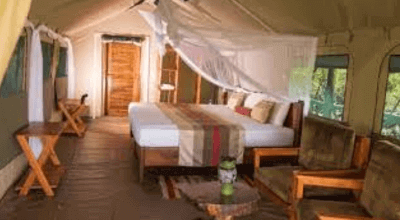
TWIGA SAFARI LODGE
3-Star Mid-range Safari lodge on the boundary of Murchison Falls and Overlooking The River Nile
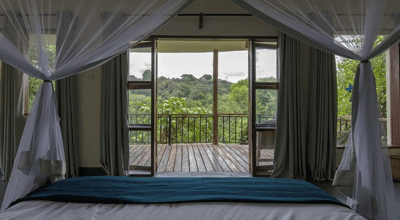
TURACO TREE TOPS
3-Star Mid-range Safari lodge on the boundery of kibale National Park with great forest Views
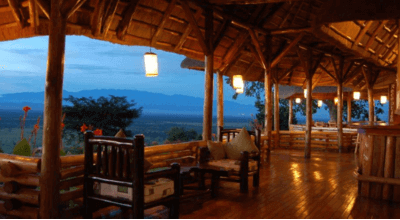
KATARA LODGE
3-Star Safari Lodge Located on the rift valley Escarpments with Sweeping Views In Queen Elizabeth National Park
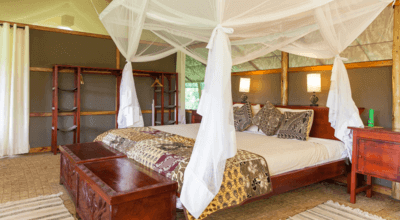
ISHASHA WILDERNESS Camp
4 Star Wilderness Luxury tented camp in the heart of Queen Elizabeth National Park Southern Sector
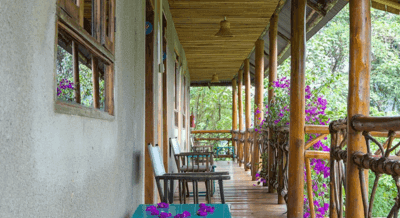
Four Gorillas Lodge
A 4 Star mid – luxury Safari Lodge on the boundary of Bwindi impenetrable National Park with great Forest Views
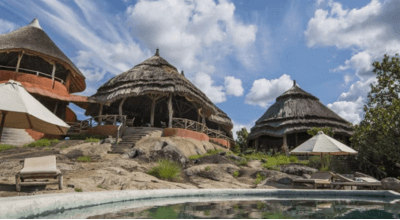
LEMALA WILDWATERS LODGE
4 Star Luxury Lodge right on an island on the River Nile with super great views of the Nile as it flows past
Watch Our Video for an Insight Into Our Gorilla Trekking Experience

DownLoad Our Current Brochure For an Insight Into Our latest and Trending Itineraries, Profile & sample Itineraries